Unpublish Reasons
Please share with the transplant center the reason you are unpublishing your story.
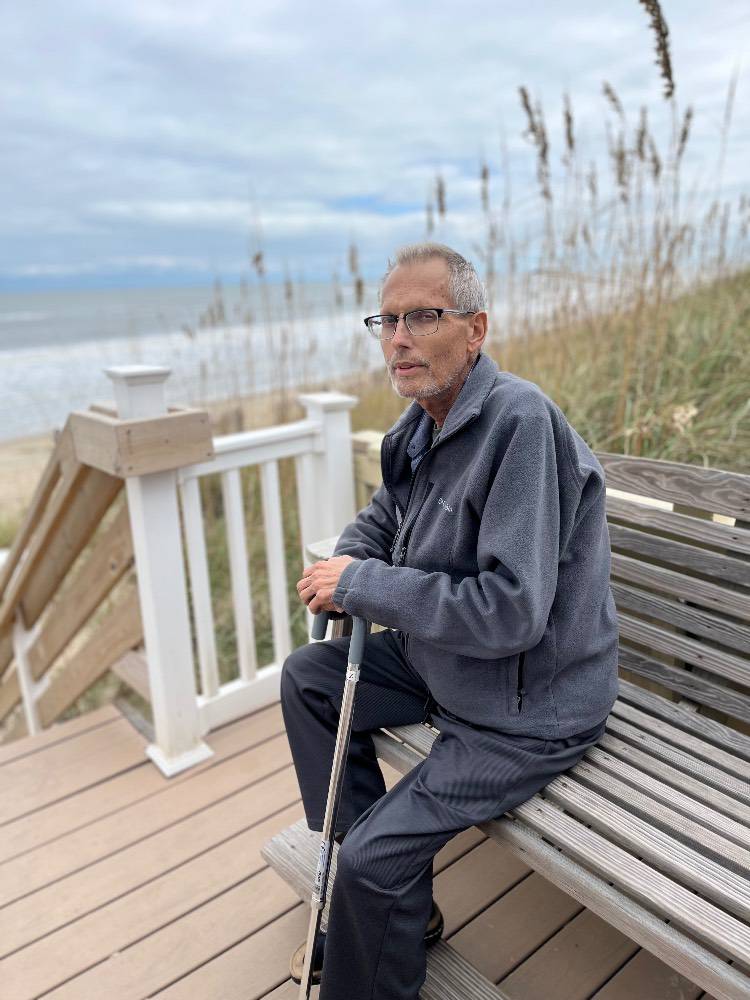
Tom Zimmerman
LIVING Liver DONOR NEEDED
I am looking for a donor to donate a liver.
I’m reaching out to share something very personal. I’ve been diagnosed with stage 4 liver failure and my best option for survival is a living liver transplant. A livivg liver transplant means a healthy person donates a small of their liver. The liver will grow back fully in a few months for donor. The portion I receive will grow into a full liver in my body. I know this is a huge ask, and not everyone can do it -but if you think you might be willing to be tested as a potential donor please reach out. Just being open to learning more means the world to us. If you or someone you know might be willing to consider being tested, please contact John Hopkins Liver office at 410-614-2989 to start the process. All information is confidential. I know this is a lot thank you for your time. Thank you
June 2024 I miss running, hiking, walking, Feeling like my body is normal and not feel so weak all the time.
I want to feel like a normal person I want to start running again.
Please share my story with your friends and family and any one you can think of.
START YOUR JOURNEY
Become Tom Zimmerman's Donor
If you are considering being a living donor please use links below to contact Tom Zimmerman's Transplant Center. Begin by completing the donor questionnaire
Medical expenses for living organ donors are 100% covered, and inquires from potential donors are 100% confidential! Contact the Transplant Center to learn more about living donation.
By sharing this story you are bringing hope and opportunity to a patient in need
Share the Importance of Living Donation
Liver transplantation has been a successful treatment and standard of care for end-stage liver disease since the early 1980s.
Technical advancements in liver surgery, as well as the liver's tremendous ability to regenerate, have made living donor liver transplantation a life-saving reality.
There are currently 120,000 people waiting for a lifesaving organ transplant in the U.S. Of these, 15,000 await liver transplants.
Although more than 6,000 liver transplants were performed last year, over 1,700 patients died while waiting on the list.
Deceased donor livers are allocated to patients based on how sick they are, determined by their MELD score, where sicker patients receive priority.
Living donation offers patients the option of transplant before they get very sick--regardless of MELD score--significantly decreasing the time they wait for a liver.
Living donation not only saves the life of the recipient; it also frees up a liver for a patient on the waiting list who does not have that option.
The Model for End-Stage Liver Disease (MELD) and Pediatric End-Stage Liver Disease (PELD) are numerical, objective scales that allocate available livers to the sickest patients. Patients move up the list as their scores increase.
The first living donor liver transplant took place in 1988. Since then, living donors have continued giving the gift of life and making a difference.
When a recipient has a living donor, the wait time for transplant is shorter and the transplant can be scheduled in advanced when the recipient is in good health and when it is convenient for both the donor and the recipient.
Financial burdens shouldn’t prevent the gift of life. The National Living Donor Assistance Center (NLDAC) can offer financial support for living donor travel expenses.